
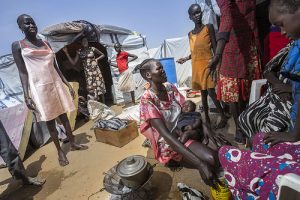
Image courtesy of Oxfam East Africa / CC by 4.0 flickr.com
Vital information about safe infant feeding in emergency situations.
- Breastfeeding and Emergencies from the United States Breastfeeding Committee
- Disaster Preparedness: Breastfeeding matters during an emergency from Breastfeeding USA
- Breastfeeding During Emergencies from NativeMothering.com
- Breastfeeding in Emergencies from the International Lactation Consultant Association
- Facts about Breastfeeding in an Emergency – Especially for Relief Workers from the International Lactation Consultant Association
- Emergency Breastfeeding Resources from La Leche League International
- Hurricanes, Tornadoes and Storms from the American Academy of Pediatrics
- Infant Feeding in Disasters and Emergencies [PDF] from the American Academy of Pediatrics
 How to…
- Hand express your milk
- Increase milk supply
- Relactate (start breastfeeding again when you’ve stopped or nearly stopped)
- Cup feed (when baby is fed expressed milk or formula, cups are easiest to clean when resources are scare)
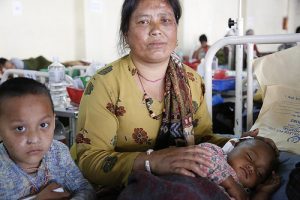
Image courtesy of UK Department for International Development / CC by 4.0 flickr.com
World Health Organization:
- Guiding principles for feeding infants and young children during emergencies
- Infant Feeding in Emergencies Module 1
For emergency relief staff - Infant Feeding in Emergencies Module 2 Version 1.1
For health and nutrition workers in emergency situations for training, practice and reference - (this is an older resource) Infant Feeding in Emergencies: A Guide for Mothers (EU/ICP/LVNG 01 02 08). From: Programme for Nutrition Policy, Infant Feeding and Food Security. Geneva: World Health Organization, 1997.
Emergency Nutrition Network:
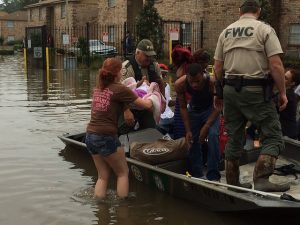
Image courtesy of MyFWCmedia / CC BY-ND 4.0 flickr.com
- Protecting infants in emergencies: the role of the public. A guide to help the general public understand their important role in protecting and supporting infants and young children caught up in crises worldwide.
- Media Guide on Infant and Young Child Feeding in Emergencies. A two page flyer outlining how the media can help protect and support appropriate and safe infant and young child feeding in emergencies.
- Infant feeding in emergencies (includes training modules for emergency response and health care workers)
- Operational Guidance on Infant and Young Child Feeding in Emergencies provides concise, practical, but mainly non technical guidance on how to ensure appropriate infant and young child feeding in emergencies.